Philosophy
Śūnya
Shoon-ya. The Sanskrit word for zero.
It has never meant nothing. It means emptiness and completeness held in the same word — the pause between two breaths, the silence inside a temple bell after it is struck, the summit where there is nothing left to want. The mathematics that gave the world zero was written in India, by people for whom the number and the idea were not separable things.
Way is the second half of the name, and it is the plainer one. It is simply the walking.
We don’t sell destinations.
We craft the way to zero.
What that means once you are actually travelling
An idea is worth nothing if it doesn’t change the itinerary.
Most travel is designed around accumulation: more sights, more countries, more photographs of things you have confirmed are famous. It is exhausting in a way that is difficult to admit to, because the brochure promised the opposite.
We design in the other direction. A Shunyaway journey holds fewer places than you would expect for the number of days, and that is the most deliberate decision we make. The temple at the end of the walk is not the point of the walk. The point is that by the time you reach it, you have been quiet for two days.
Fewer places, longer in each
Three nights somewhere is a different experience from one night somewhere, not a longer version of it. You stop performing the visit and start noticing where you are.
Nothing at six in the morning unless it earns it
Some things genuinely do — a mountain before the haze, a city before it wakes. Those we will wake you for, and we will tell you why the night before. Nothing else.
Never more than twelve
Most journeys take eight. Past that a group stops being people travelling together and becomes a party being moved, and every exchange with the country changes.
From your door, not from Delhi
The journey begins when you leave your house. Flights, transfers and every mile between are ours to arrange — which is also why we quote a journey rather than list a price.
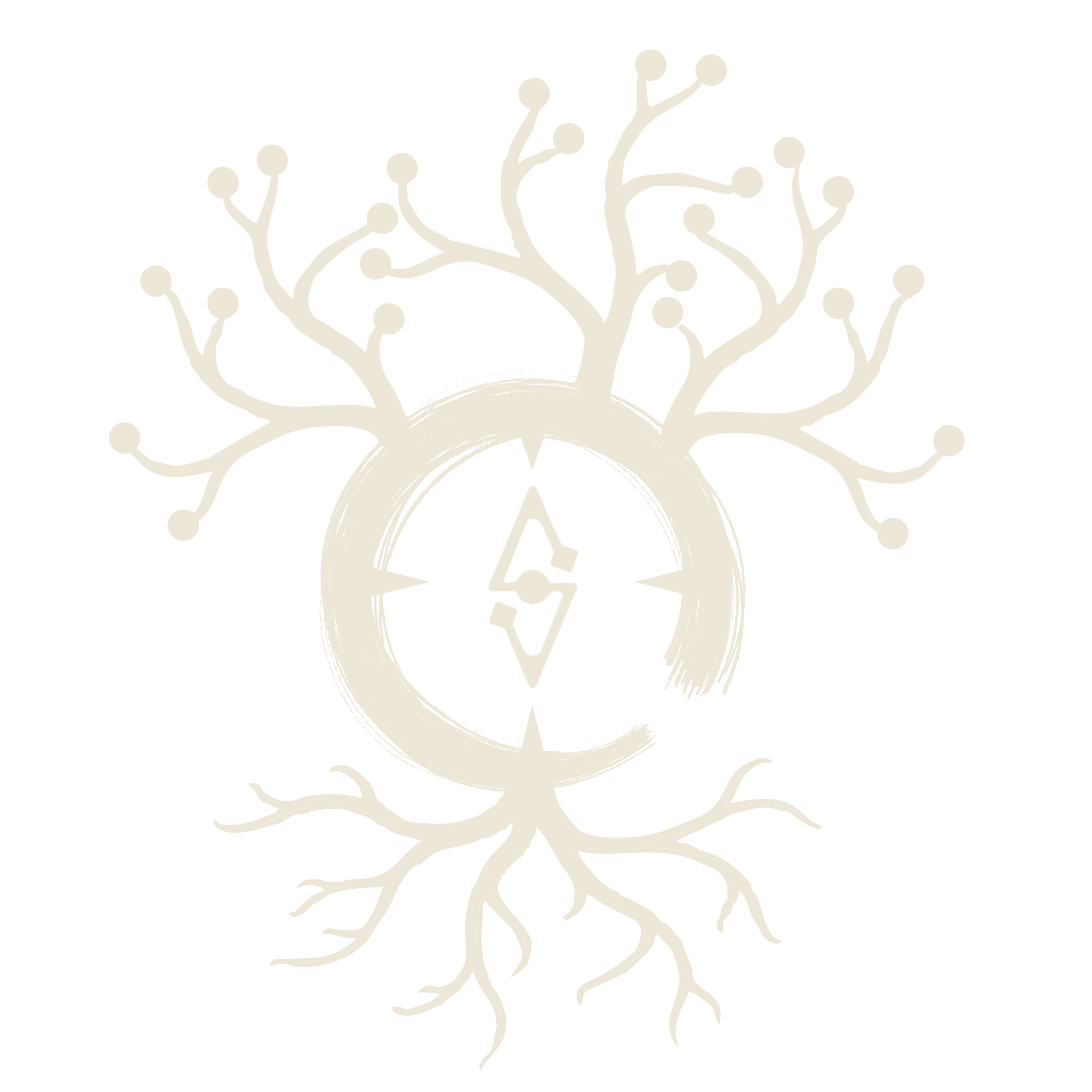
The mark
A tree, a river delta, and three ways out of one place.
It is deliberately more than one thing. Read it as a tree and the trunk is the journey you have already made; read it as a river reaching the sea and the same lines are the ways water finds when it stops being a single current.
The three limbs are the three ways we travel India — the sacred, the royal and the vast. They leave from one point, and not one of them is the main one. That is the argument of the whole company, drawn rather than written.
The country is not short of spectacle. We are more interested in what is left once you take the spectacle out.
India, at the pace of a lifetime.
If this is nearer to how you would rather travel, the next step is a small one: shape something and keep it, or write to us and we will begin properly.